

Is Stress Aging Your Skin? The Cortisol Connection
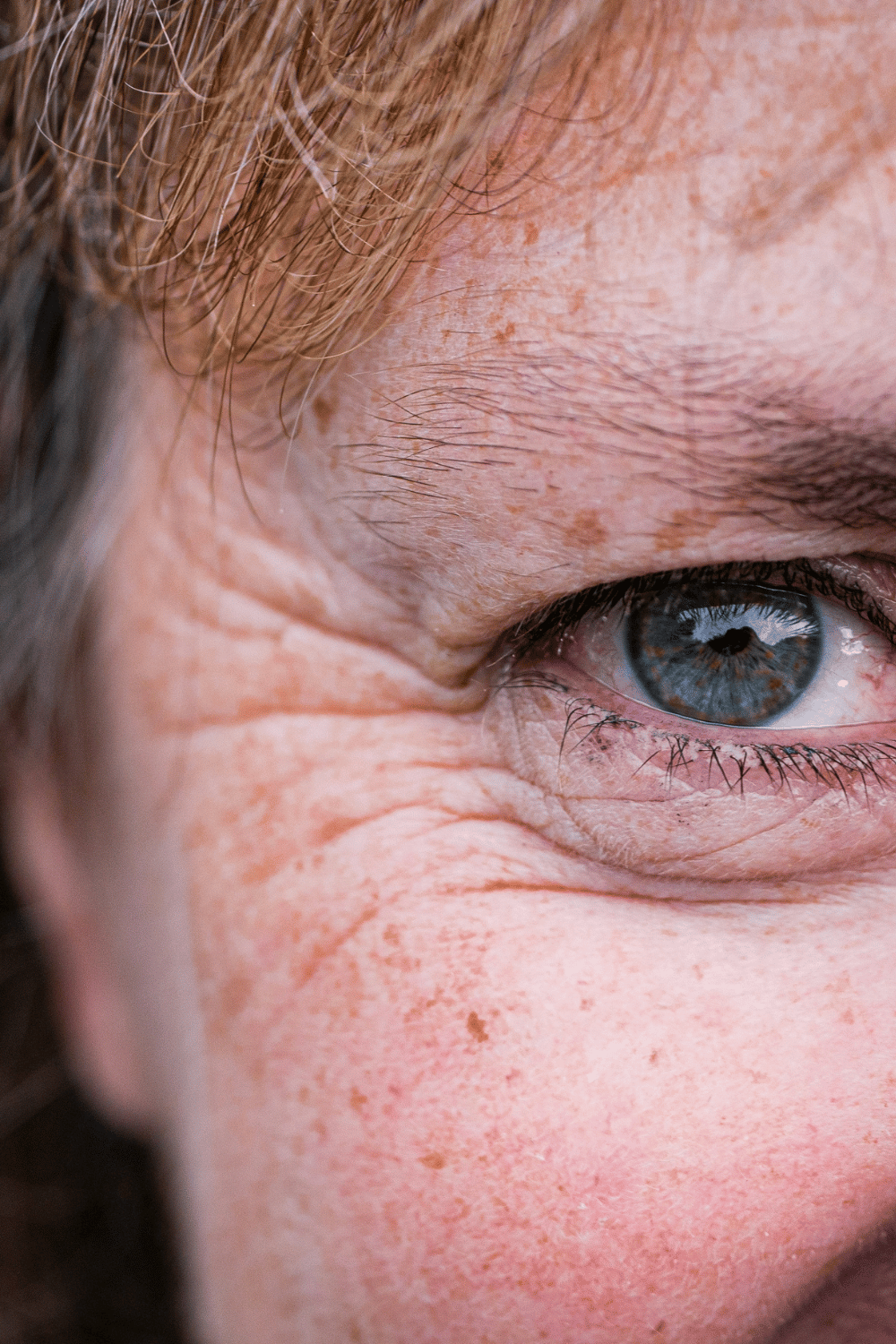
You know the look. You catch your reflection after a brutal week — a deadline that wouldn't quit, a string of broken nights, a worry that followed you to bed — and your skin looks like it lived through every hour of it. Duller. More tired. Somehow older than it did a month ago. It isn't vanity, and it isn't your imagination: stress leaves a visible mark, and during perimenopause and menopause it lands harder and lingers longer.
The reason has a name: cortisol. Understanding how this one stress hormone interacts with your changing body is among the most useful things you can do for your skin right now, because it quietly reshapes everything from your daily habits to the skincare for menopausal skin you reach for each morning.
Let's get into what's actually happening beneath the surface — both the stress you feel and the everyday exposures you may not even notice — and what genuinely helps.
Meet Cortisol, Your Skin's Frenemy
Cortisol is your body's main stress hormone. In short bursts it's a hero — it wakes you up, sharpens focus, and helps you respond to a real threat. The problem is that modern life rarely switches it off. Ongoing pressure — work, caregiving, poor sleep, even relentless scrolling — keeps cortisol elevated long after any real danger has passed.
When cortisol stays high day after day, it stops being protective and turns corrosive — and skin is one of the first places that shows up.
Why Perimenopause and Menopause Change the Equation
Here's the part most articles skip. Estrogen isn't only a reproductive hormone — it's one of your skin's best friends, helping maintain collagen, support hydration, keep the barrier resilient, and even buffer the effects of cortisol.
As estrogen declines through perimenopause and into menopause, that buffer fades. Cortisol's effects, once partly held in check, now run with far less resistance. This is a major reason perimenopause skin changes can feel so abrupt — as if your skin transformed overnight even though your routine never changed. You're not imagining a sudden shift — you're living one, as steady stress meets falling estrogen.
How Cortisol Actually Ages Your Skin
Chronically elevated cortisol drives skin aging through several well-documented mechanisms:
- It breaks down collagen and elastin. Cortisol both slows the production of new collagen and accelerates the breakdown of what you have, which translates to fine lines, sagging, and that thin, crepey texture so many women notice for the first time in their late 40s and 50s.
- It weakens the skin barrier. A compromised barrier loses water more quickly, leaving skin drier, tighter, and more easily irritated — exactly the complaints that intensify during menopausal skin changes.
- It fuels inflammation. Researchers call the result "inflammaging" — a low, simmering inflammation that shows up as redness, dullness, reactivity, and even breakouts.
- It steals your sleep. Skin does much of its repair overnight, and high cortisol both disrupts sleep and shortens the window when that repair happens.
Much of what simply gets filed under "aging," then, is really stress wearing a disguise.
It's Not Only Stress: The Environmental Aggressors Speeding Things Up
Cortisol is the driver from inside, but it has company. Every day your skin also faces a set of external aggressors — and here's the crucial part: menopausal skin, with its thinner structure, weakened barrier, and reduced estrogen, has fewer defenses against all of them. Exposures your skin once shrugged off now leave a deeper, longer-lasting mark.
Pollution. Airborne particles, ozone, and traffic exhaust generate free radicals — unstable molecules that degrade collagen, spark inflammation, and accelerate dullness, uneven tone, and fine lines. Fine particulate matter settles onto a compromised barrier and penetrates it more easily, so the oxidative load of city air, smoke, and even indoor pollutants hits estrogen-depleted skin harder than it once did.
Blue light from screens. The phones, laptops, and tablets you look at all day emit high-energy visible light, often called blue light. It's been linked to oxidative stress and, importantly, to hyperpigmentation — it can switch on melanin production and deepen dark spots and uneven tone. Because pigment irregularities already become more common during menopause, hours of daily screen time can quietly make existing discoloration worse.
UV light — and why your skin is now more vulnerable. Ultraviolet exposure is the single largest external cause of visible aging, and menopausal skin is uniquely exposed to it. As estrogen falls, skin thins, collagen production drops, repair slows, and the pigment-producing cells in your skin behave less predictably. The result is a triple disadvantage: UV does more damage, it surfaces faster as sunspots and lines, and skin is slower to recover. Sun exposure that felt harmless at 35 simply costs more at 55 — which is why protection becomes non-negotiable.
The Good News: You Have More Control Than You Think
If cortisol is part of the problem, calming your stress response is part of the solution — and the good news is that some of your most powerful skin tools cost nothing. Lowering chronic cortisol doesn't require a wellness overhaul, just small, repeatable choices:
- Protect your sleep first. It's the single highest-leverage habit for both cortisol and skin repair.
- Move your body, gently. Walking, strength work, and yoga lower stress hormones; daily punishing high-intensity sessions can paradoxically raise them.
- Use your breath. A few minutes of slow, extended exhales signals safety to your nervous system and lowers cortisol.
- Get morning light. Early daylight helps regulate the daily cortisol rhythm that keeps it where it belongs.
- Mind caffeine and alcohol. Both can amplify the stress response, especially when sleep is already fragile.
For many women navigating this stage, learning to age gracefully has less to do with chasing perfection and more to do with removing the pressure that's quietly working against you.
Building Skincare for Menopausal Skin That Works With a Stressed System
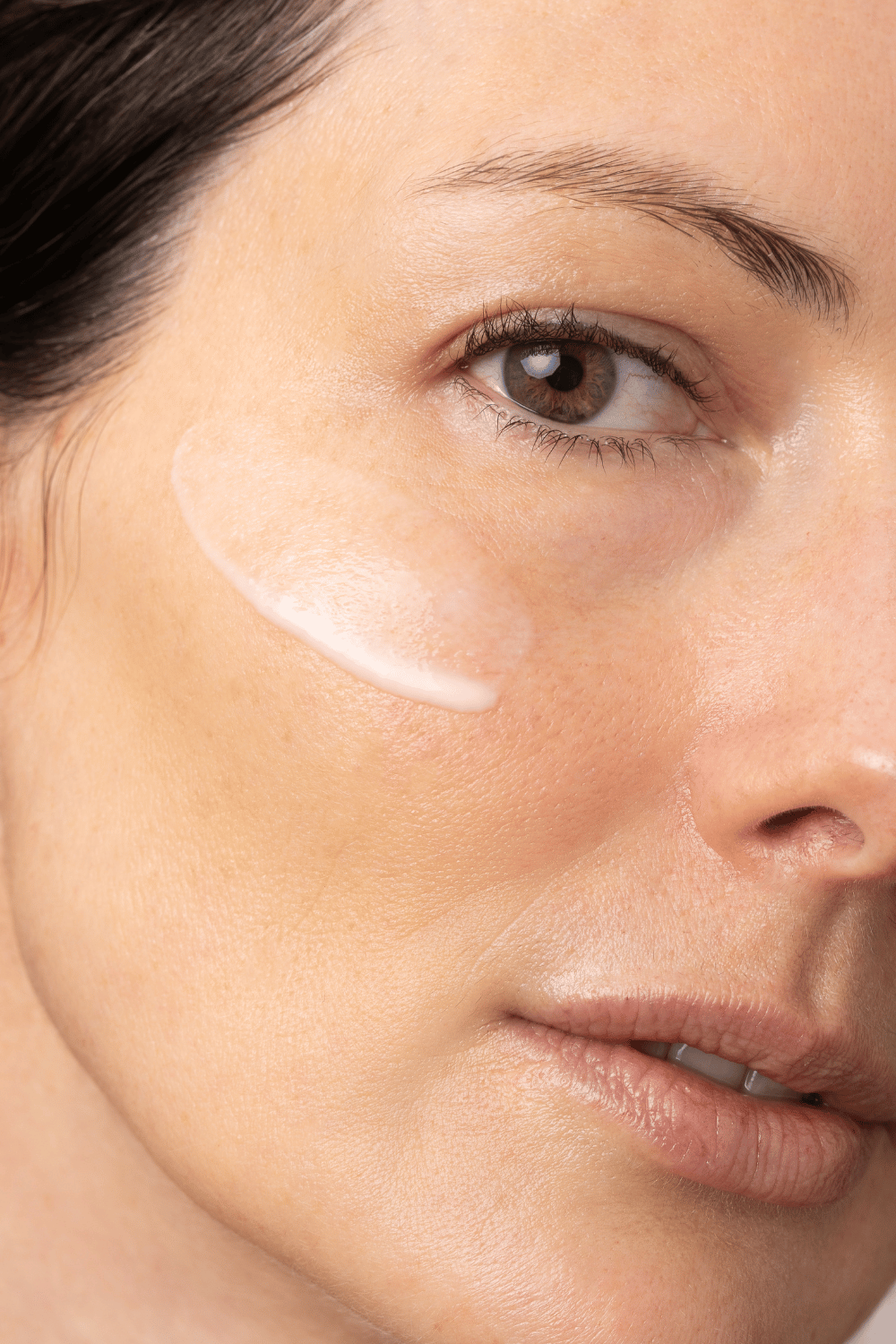
The second front is topical. With skin contending with falling estrogen, rising cortisol, and a daily barrage of pollution, blue light, and UV, the goal isn't an aggressive routine — it's a smart, protective, barrier-first one. This is the gap Modern Age Skin was created to fill: rather than borrowing formulas built for younger or more resilient complexions, each product was built from scratch for menopausal skin and the specific biology behind these changes.
Here's how it works, woven into a routine rather than a checklist of products.
Start by cleansing gently. Harsh, stripping cleansers disrupt the barrier that cortisol and low estrogen are already undermining. The Reset uses a pH-balanced surfactant that cleans thoroughly without compromising the barrier — the right first step for skin that's lost some natural resilience.
Then rebuild and hydrate. A stressed, estrogen-depleted barrier loses the very lipids that keep moisture in. The Catalyst pairs ultra-low molecular weight hyaluronic acid for deep hydration with ceramides and cholesterol — the exact components your barrier needs to repair itself and hold water again. Because it's acid-based, use it at night, not in the morning.
Support collagen and antioxidant defense — without retinol. Many anti-aging routines lean on retinol, but it can aggravate skin that's already reactive and barrier-compromised, which describes much of menopausal skin. The Innovator takes a different path: Alpine Rose Extract — a cutting-edge retinol alternative — plus fatty acids from plant-based oils to support firmness and defend against the inflammation cortisol drives, without the irritation.
Your Protective Strategy Against Environmental Aging
Defending against pollution, blue light, and UV comes down to a few non-negotiables, each of which has a home in the routine above:
- Apply antioxidants every morning. They neutralize the free radicals that pollution and blue light generate before those molecules can degrade collagen. The Alpine Rose Extract and plant-based fatty acids in The Innovator are built for precisely this job.
- Keep your barrier strong. A resilient barrier means aggressors penetrate less and moisture stays in. Rebuild it each evening with The Catalyst's hyaluronic acid, ceramides, and cholesterol, so your skin meets the day on a solid foundation.
- Wear broad-spectrum SPF every single day. Rain or shine, reapplied as the day goes on — the most powerful anti-aging step there is, and even more essential for UV-vulnerable menopausal skin. A mineral formula is a bonus, helping screen some blue light too.
Cleanse thoroughly but gently at night. This lifts away the day's pollution particles and screen-side grime so they aren't sitting on your skin overnight — which is exactly what The Reset's pH-balanced surfactant is designed to do without stripping.
A Simple Daily Routine for Stressed, Changing Skin
You don't need ten steps — just the right few, done consistently:
- Morning: Cleanse with The Reset, apply The Innovator for antioxidant and collagen support, then finish with a broad-spectrum SPF.
- Evening: Cleanse with The Reset, apply The Catalyst to rebuild the barrier overnight, and let The Innovator support repair while you sleep.
Consistency, not intensity, is what rebuilds skin over time.
Frequently Asked Questions
Can stress really cause wrinkles?
Indirectly but meaningfully, yes. Chronic cortisol breaks down collagen and elastin and impairs repair, all of which accelerate fine lines and loss of firmness over time.
Why does my skin look worse now when my routine hasn't changed?
Because your internal environment changed. The skin changes during perimenopause come from falling estrogen colliding with steady or rising stress — so the same routine that once worked may no longer be enough on its own.
Can I undo cortisol-related skin aging?
You can't turn back the clock entirely, but you can change the trajectory. Lowering stress, protecting sleep, and supporting the barrier all help skin recover resilience and look calmer and healthier.
Do I need retinol to support collagen?
No. Effective retinol alternatives like Alpine Rose Extract can support firmness and fight inflammation without the irritation that retinol often triggers in sensitized menopausal skin.
Does the blue light from my screen really affect my skin?
Enough to matter, especially over years of daily exposure. High-energy visible light contributes to oxidative stress and can worsen hyperpigmentation, so morning antioxidants and, ideally, a mineral SPF are sensible everyday defenses.
The Bottom Line
Your skin isn't betraying you, and it isn't simply "getting old." Much of what you're seeing is the visible signature of cortisol meeting declining estrogen — a story you have real power to rewrite. Manage the stress where you can, protect your sleep, and pair those habits with skincare for menopausal skin that defends the barrier and rebuilds what stress wears down.
That two-front approach is what Modern Age Skin was built for. If you're ready to give your skin formulas designed for this exact moment, explore The Reset, The Catalyst, and The Innovator — and start working with your skin instead of against it.

Written by Joy Kirst
Joy Brown Kirst is the founder and formulator of Modern Age Skin, an award-winning clean beauty brand specializing in perimenopause and menopausal skincare. With an MBA from Rice University and over 20 years of experience in corporate leadership and entrepreneurship, Joy brings strategic business expertise to the beauty industry.
Following her successful career in the executive search industry, Joy earned her Diploma in Organic Skincare Formulation from Formula Botanica (2021), combining her business acumen with botanical expertise to create bioadaptive, results-driven formulas for hormonal skin changes.
Modern Age Skin’s hero product, The Innovator - Luminous Repair Oil, has won both the Shape Skin Award for Best Facial Oil (2024) and the Healing Lifestyles Earth Day Beauty Award (2025). The brand is Power Beauty Collab certified and Leaping Bunny Certified, reflecting Joy’s commitment to clean, cruelty-free beauty.
Joy and Modern Age Skin have been featured in Forbes, BeautyMatter, Well Defined, on television with Pix 11 in NYC, and on the Well Done, Thrive After 45, and Midlife Mavericks podcasts. Through her work, Joy is redefining skincare for women navigating hormonal transitions, proving that aging skin deserves sophisticated, science-backed solutions.

Leave a comment
This site is protected by hCaptcha and the hCaptcha Privacy Policy and Terms of Service apply.