
Why Your Skin Suddenly Looks Like Crepe Paper — and What to Do About It
You reach for your arm to apply sunscreen and notice something that stops you cold: the skin there looks different. Not just dry. Not just wrinkled. It has a fine, crinkled texture — almost papery — and it seems to have lost its grip on the underlying tissue. If you’ve been in perimenopause or have passed through menopause, this is a moment many women know well. The culprit has a name: crepey skin. And while it shares the stage with thinning skin, these two changes are not quite the same thing. Understanding the difference — and what drives each — is the first step toward doing something meaningful about both.
Perimenopause skin changes are some of the most striking — and least-discussed — shifts women experience during this life stage. The good news is that the science behind them is well understood, and there are targeted, evidence-based steps you can take to slow the progression and meaningfully improve how your skin looks and feels.
Crepey Skin vs. Thinning Skin: They’re Related, But Not the Same
These two terms often get used interchangeably, but they describe distinct phenomena that happen to arrive at the same party.
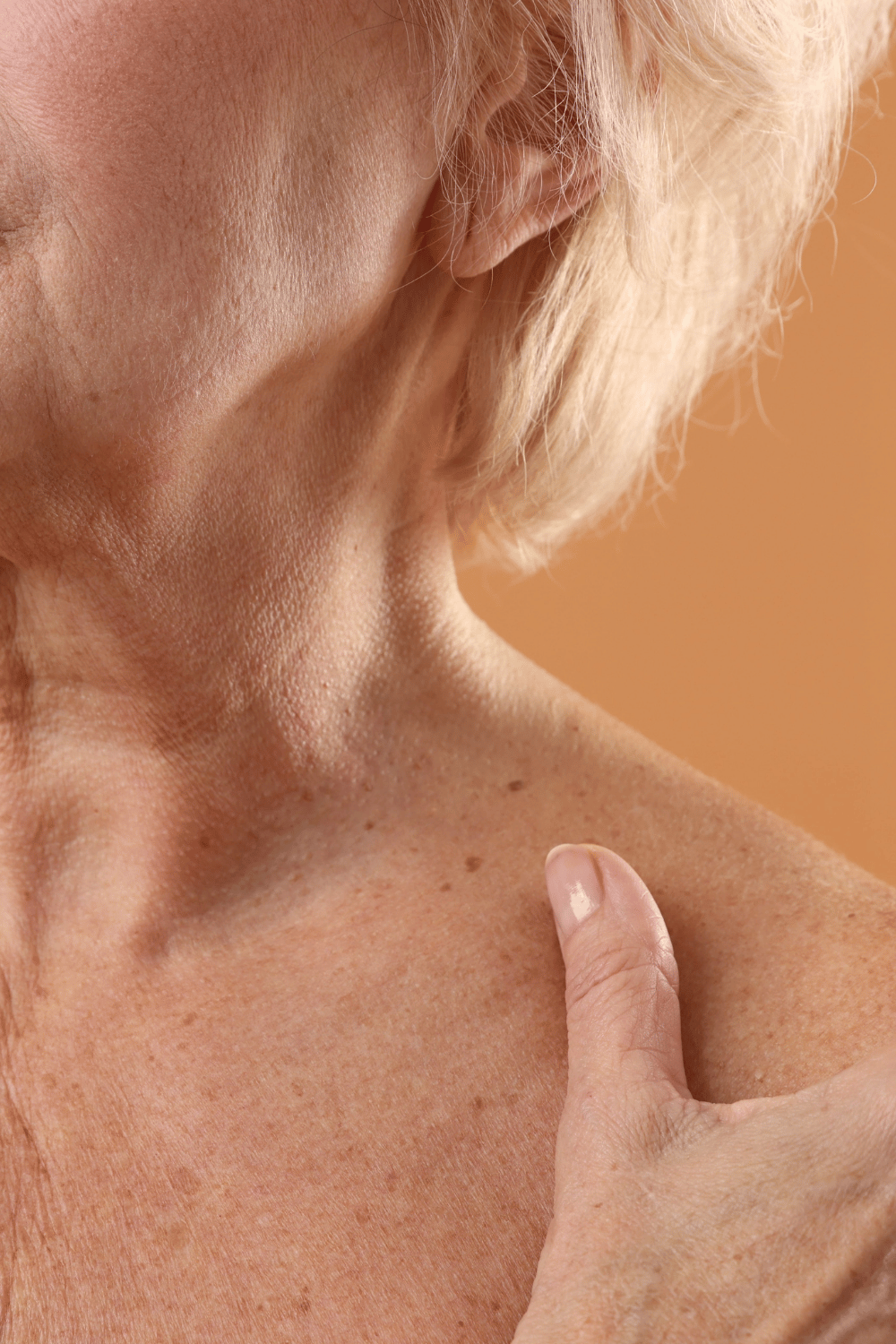
Crepey skin refers to the fine, crinkled texture that resembles crepe paper — thin, slightly folded, and loose. It’s primarily a surface and structural issue: the skin has lost the internal scaffolding that keeps it plump, elastic, and smooth. Collagen and elastin — the proteins responsible for firmness and bounce — have declined significantly, leaving skin unable to "snap back" the way it once did.
Thinning skin is a structural reduction in the actual thickness of the dermis — the deeper layer where collagen lives. As estrogen drops during perimenopause and menopause, the dermis can lose up to 30% of its collagen in the first five years after the final period. The result is skin that bruises more easily, feels more fragile, and shows underlying veins and structures more clearly. Thinning is what happens beneath the surface; crepey texture is what you see as the consequence of it.
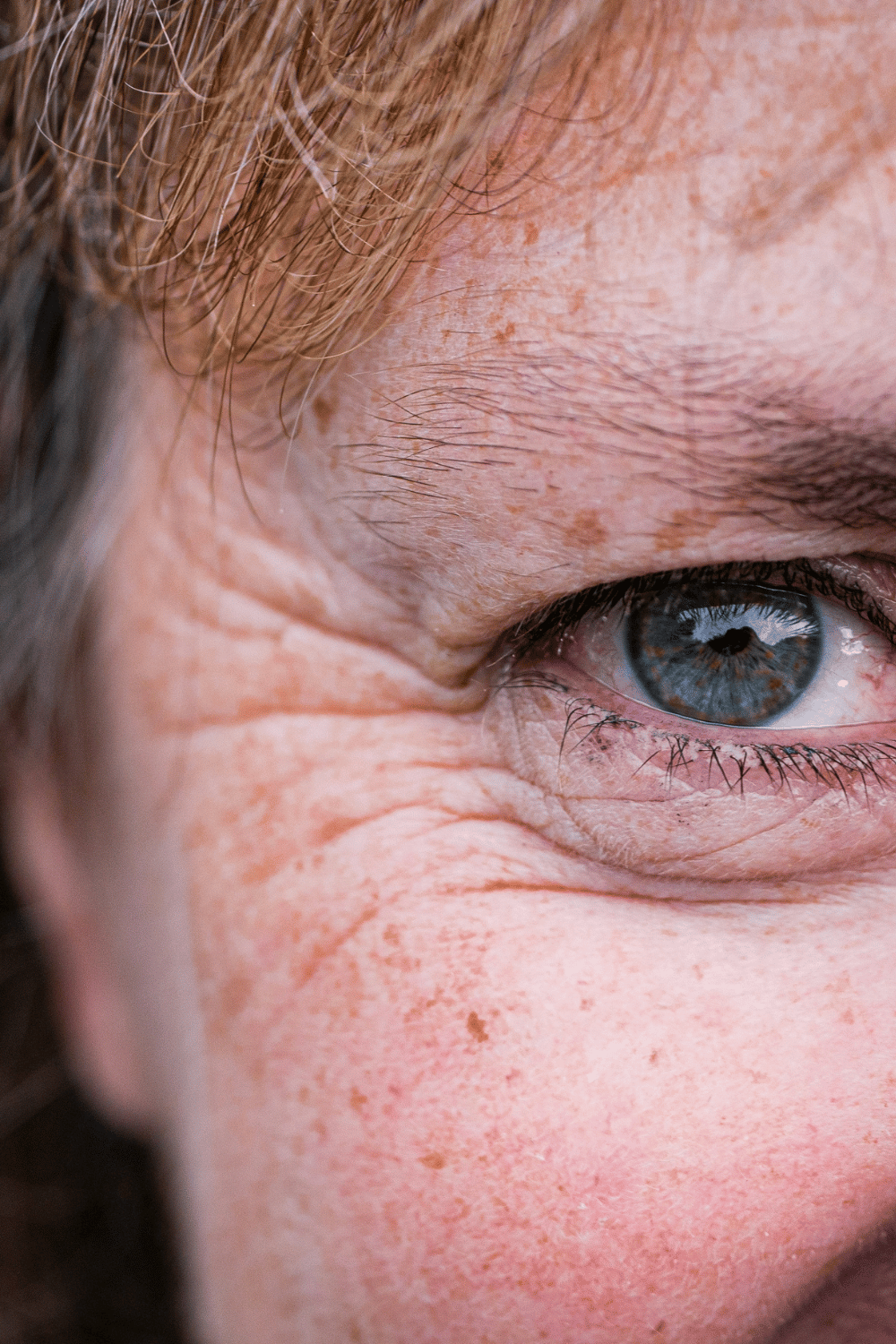
Wrinkles, by comparison, are a somewhat different beast. Traditional wrinkles form from repeated facial movements — squinting, smiling, furrowing — and tend to be deeper, more defined lines. Crepey skin produces fine, superficial crinkles across broader areas of the body, not just at expression points. Both are aging-related, but crepey skin tends to appear on larger surface areas like the neck, upper arms, and décolletage, and it has a distinct papery quality that differs from a classic wrinkle.
What’s Actually Driving Crepey and Thinning Skin During Menopause
There isn’t one single villain here. Crepey skin during perimenopause and menopause is the result of several converging forces, each compounding the others.
Collagen Loss: The Scaffolding Comes Down
Estrogen plays a direct role in stimulating collagen production. When estrogen levels decline during perimenopause, collagen synthesis slows dramatically. Studies estimate that skin loses roughly 2–3% of its collagen per year during the first decade after menopause. Elastin — the protein that gives skin its rubber-band snap — degrades at the same time. Without adequate collagen and elastin, skin can no longer maintain its architecture, and that’s when the crepey texture begins to appear.
Sun Damage: Decades of Exposure Finally Show Up
UV radiation is one of the most potent accelerators of collagen breakdown. The damage from sun exposure accumulates invisibly over decades, degrading collagen fibers and creating disordered skin architecture that only becomes visible later in life. Photoaged skin — skin damaged by cumulative sun exposure — is significantly more prone to crepey changes. Areas like the neck, décolletage, and arms tend to receive a lifetime’s worth of UV exposure without the consistent SPF attention we pay to the face, which is precisely why these areas often show crepey skin first and most dramatically.
Dehydration: When Skin Loses Its Plumpness
Estrogen also supports the skin’s ability to retain moisture by maintaining hyaluronic acid levels and reinforcing the skin barrier. As estrogen declines, the skin’s natural moisture-retention system weakens. Dehydrated skin lacks the internal volume that smooths out surface texture — think of a grape versus a raisin. The water content that once plumped skin from within becomes increasingly hard to hold onto, and crepey texture becomes more visible as a result. Menopause dry skin and crepey skin are deeply connected: dehydration magnifies the appearance of every structural deficit.
Where Crepey Skin Shows Up Most: The Neck, Arms, and Décolletage
While crepey skin can appear anywhere, certain areas are especially vulnerable for women going through menopause skin changes.
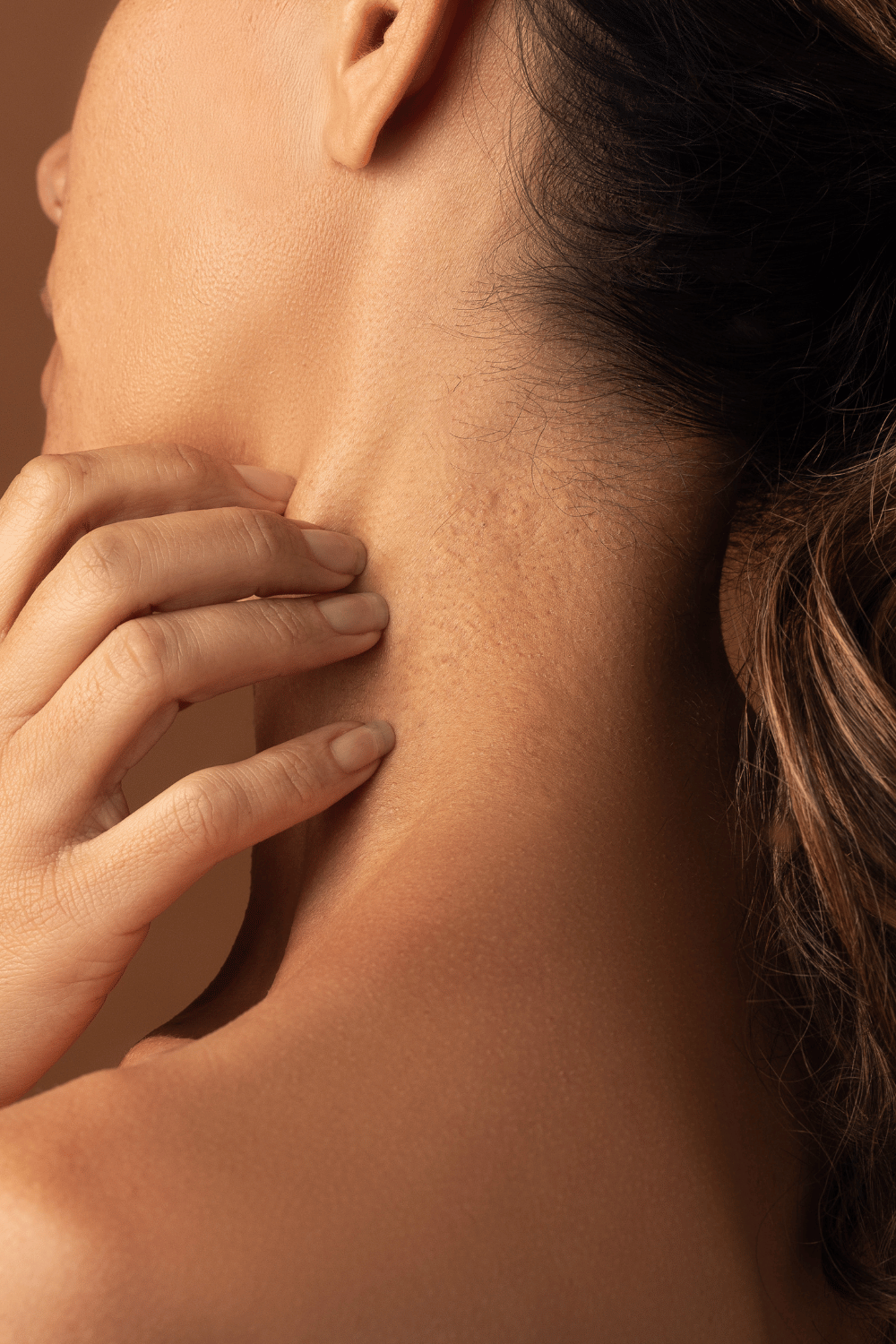
• Neck: The skin on the neck is naturally thinner than on the face and often receives far less moisturizing and sun-protection attention. Collagen loss here leads to horizontal banding (sometimes called “necklace lines”) as well as that overall crinkled texture.
• Upper Arms: The outer and inner surfaces of the upper arms are classic sites for crepey skin as collagen thins and the skin loosens from the underlying tissue. Gravity compounds the effect.
• Décolletage: The chest area is one of the most sun-exposed parts of the body and often one of the first places where the combined effects of collagen loss and UV damage appear. Horizontal chest lines, fine crinkles, and uneven texture are all common complaints here.
The knees, inner thighs, and hands are also commonly affected — anywhere the skin is thinner to begin with or receives significant sun exposure without routine SPF protection.
Prevention and Treatment: What Actually Works
The honest answer is that no single product or intervention reverses crepey skin. But a strategic, consistent approach can meaningfully slow progression, improve texture, and restore a visible degree of firmness and suppleness. Here’s what the evidence points to.
Support Collagen with the Right Active Ingredients
The gold standard in collagen-supporting skincare has historically been retinol, but menopausal skin is often too sensitized to tolerate it well — and that’s not a failure, it’s biology. Fortunately, cutting-edge formulas now incorporate retinol alternatives that stimulate similar cellular renewal pathways without the irritation.
Modern Age Skin’s The Innovator was formulated specifically with this challenge in mind. It features Alpine Rose Extract — a botanically derived retinol alternative — alongside fatty acids from plant-based oils that help restore the lipid layer menopausal skin progressively loses. The result is a formula that supports collagen-adjacent skin renewal without triggering the redness and peeling that retinol often causes in hormone-depleted skin.
Replenish What the Skin Barrier Has Lost
Addressing crepey skin requires working from the inside of the skin barrier outward. Hyaluronic acid — particularly in ultra-low molecular weight forms that can penetrate more deeply into the skin — helps restore the moisture that estrogen once helped regulate. Ceramides reinforce the barrier itself, reducing transepidermal water loss that worsens dehydration.
Modern Age Skin’s The Catalyst addresses exactly this need: formulated with ultra-low molecular weight hyaluronic acid, ceramides, and cholesterol, it works to rebuild the moisture reservoir within the skin rather than simply sitting on the surface. For women experiencing menopausal dry skin alongside crepey texture, layering a targeted serum like this into a routine can produce meaningful, visible improvement in skin plumpness and smoothness over time.
Cleanse Without Stripping an Already-Compromised Barrier
One often-overlooked contributor to accelerating crepey skin is the daily damage done by harsh cleansers. Many cleansers disrupt the skin’s pH balance and strip away the natural oils that thin, menopausal skin is already struggling to produce. Starting a skincare routine for menopausal skin with a gentle, pH-balanced cleanser is not a minor detail — it’s foundational.
Modern Age Skin’s The Reset uses a pH-balanced surfactant system designed specifically to cleanse without compromising the barrier. Think of it as setting the table properly before every other step in the routine can do its job.
Make Sun Protection Non-Negotiable — Especially on the Body
If crepey skin on the neck, arms, and décolletage is the concern, daily SPF on those areas is not optional. UV radiation degrades collagen faster than almost anything else and given that the skin is already in a state of collagen deficiency during menopause, continued unprotected sun exposure is like pulling at threads in a sweater that’s already unraveling. Broad-spectrum SPF 30 or higher, applied every morning to the neck, chest, and any exposed arm skin, is one of the highest-return investments in this fight.
Lifestyle Inputs That Matter More Than You Think
Skincare alone can only do so much. Several lifestyle factors have a meaningful impact on the rate at which crepey and thinning skin progress:
• Protein intake: Collagen is a protein. Adequate dietary protein, along with nutrients like vitamin C and zinc that support collagen synthesis, provides the raw materials the body needs.
• Hydration: Drinking adequate water supports the skin’s internal moisture balance and partially counteracts the barrier dysfunction that comes with estrogen loss.
• Strength training: Building and maintaining muscle mass under the skin provides structural support that can reduce the visual looseness associated with skin thinning, particularly on the arms and legs.
• Smoking: If ever there were a moment to stop, this is it. Smoking is one of the most potent accelerators of collagen degradation, compounding every hormonal effect discussed here.
A Realistic Path Forward for Menopausal Skin
Crepey skin and thinning skin during perimenopause and menopause are real, hormonally driven changes — not the result of neglect or aging “incorrectly.” The biology is straightforward: estrogen loss disrupts the systems that maintain collagen, moisture, and barrier integrity. Once you understand what’s happening and why, the path forward becomes much clearer.
The most effective approach combines a gentle, barrier-respecting cleansing routine, targeted active ingredients that support skin renewal and hydration, rigorous daily sun protection on the body (not just the face), and the lifestyle inputs that give your skin the raw materials it needs. None of these steps produces overnight miracles, but together — practiced consistently over weeks and months — they produce real, measurable improvement in perimenopause skin changes.
Modern Age Skin was built specifically to address the skin concerns of women at this life stage — not adapted from formulas designed for other needs, but built from scratch for yours. Explore modernageskin.com to learn more about how each product was designed with your skin’s changing needs in mind.

Written by Joy Kirst
Joy Brown Kirst is the founder and formulator of Modern Age Skin, an award-winning clean beauty brand specializing in perimenopause and menopausal skincare. With an MBA from Rice University and over 20 years of experience in corporate leadership and entrepreneurship, Joy brings strategic business expertise to the beauty industry.
Following her successful career in the executive search industry, Joy earned her Diploma in Organic Skincare Formulation from Formula Botanica (2021), combining her business acumen with botanical expertise to create bioadaptive, results-driven formulas for hormonal skin changes.
Modern Age Skin’s hero product, The Innovator - Luminous Repair Oil, has won both the Shape Skin Award for Best Facial Oil (2024) and the Healing Lifestyles Earth Day Beauty Award (2025). The brand is Power Beauty Collab certified and Leaping Bunny Certified, reflecting Joy’s commitment to clean, cruelty-free beauty.
Joy and Modern Age Skin have been featured in Forbes, BeautyMatter, Well Defined, on television with Pix 11 in NYC, and on the Well Done, Thrive After 45, and Midlife Mavericks podcasts. Through her work, Joy is redefining skincare for women navigating hormonal transitions, proving that aging skin deserves sophisticated, science-backed solutions.

Leave a comment
This site is protected by hCaptcha and the hCaptcha Privacy Policy and Terms of Service apply.