Squalane Oil, Olive
INCI: Squalane
Supplier: New Directions Aromatics
Evidence: ●●○ Supplier-substantiated
In our formulas: The Innovator — 9.5%
What it is
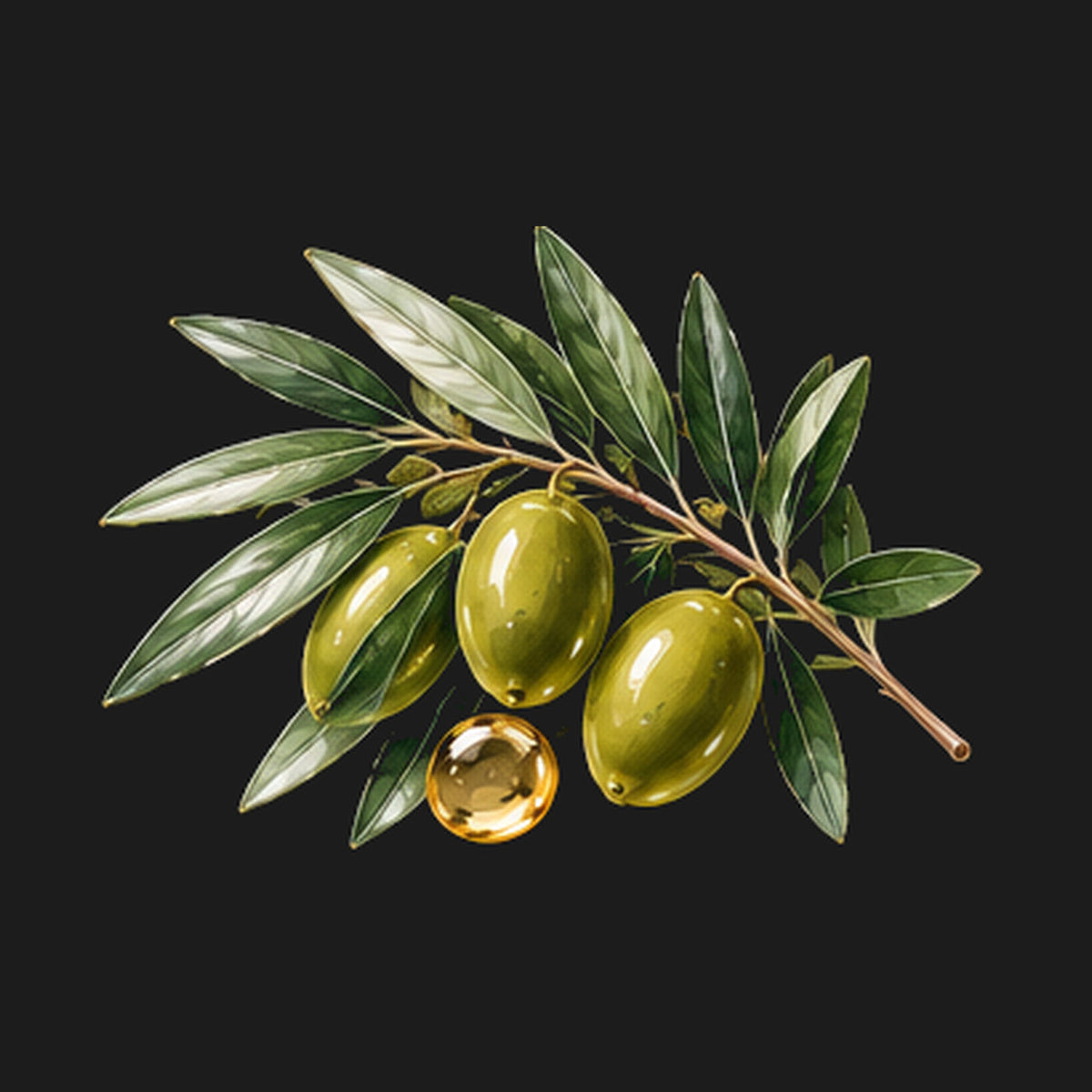
Squalene — with an “e” — is produced naturally in human sebum and makes up roughly 10–12% of skin surface lipids. It is also chemically unstable, so cosmetic use requires hydrogenation to squalane, with an “a,” which is stable indefinitely. Ours is derived from olives. Historically the commercial source was shark liver; olive-derived squalane is chemically identical and involves no shark.
Why it matters for changing skin
Squalene production peaks in the teens and declines steadily thereafter, with a further drop as sebum output falls after menopause. Replacing it is about as direct as topical skincare gets: this is a molecule skin manufactures, at a known concentration, in measurable decline. We are putting it back.
Practically, it is also the reason The Innovator feels the way it does. Squalane is weightless, absorbs almost immediately, and functions as the carrier that makes 15% camellia and 14% moringa feel light rather than rich.
What it does
|
Concern |
How it helps |
|
Declining natural skin lipids |
Replaces a lipid skin makes less of with age |
|
Dislike of heavy textures |
Absorbs almost instantly, no residue |
|
Sensitivity |
Among the best-tolerated cosmetic lipids; non-irritating |
|
Barrier water loss |
Reduces transepidermal water loss |
|
Dullness |
Leaves a soft, natural light on the surface |
On the label you may also see it as
Squalane · Olive Squalane · Phytosqualane · Plant-Derived Squalane

Written by Joy Kirst
Joy Brown Kirst is the founder and formulator of Modern Age Skin, an award-winning clean beauty brand specializing in perimenopause and menopausal skincare. With an MBA from Rice University and over 20 years of experience in corporate leadership and entrepreneurship, Joy brings strategic business expertise to the beauty industry.
Following her successful career in the executive search industry, Joy earned her Diploma in Organic Skincare Formulation from Formula Botanica (2021), combining her business acumen with botanical expertise to create bioadaptive, results-driven formulas for hormonal skin changes.
Modern Age Skin’s hero product, The Innovator - Luminous Repair Oil, has won both the Shape Skin Award for Best Facial Oil (2024) and the Healing Lifestyles Earth Day Beauty Award (2025). The brand is Power Beauty Collab certified and Leaping Bunny Certified, reflecting Joy’s commitment to clean, cruelty-free beauty.
Joy and Modern Age Skin have been featured in Forbes, BeautyMatter, Well Defined, on television with Pix 11 in NYC, and on the Well Done, Thrive After 45, and Midlife Mavericks podcasts. Through her work, Joy is redefining skincare for women navigating hormonal transitions, proving that aging skin deserves sophisticated, science-backed solutions.